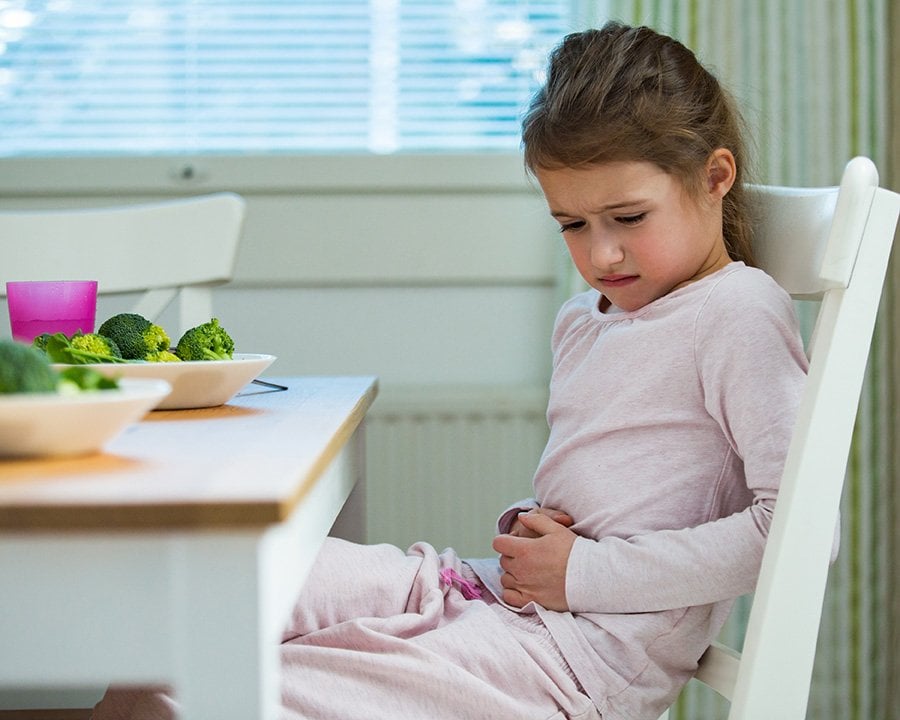
When a child develops stomach pain, rashes, or vomiting after eating certain foods, parents often assume it is a food allergy. However, in many cases, it may actually be food intolerance. Although these two terms are commonly used interchangeably, they are very different conditions and require different approaches to care.
According to Dr. Saurabh Tripathi, understanding the difference between food allergies and food intolerance is crucial for protecting a child’s health and preventing unnecessary food restrictions.
What Is a Food Allergy?
A food allergy occurs when the immune system mistakenly identifies a harmless food protein as dangerous and reacts against it. Even a small amount of the allergenic food can trigger symptoms.
Common Food Allergens in Children
Milk
Eggs
Peanuts
Tree nuts
Wheat
Soy
Fish and shellfish
Symptoms of Food Allergy
Skin rashes, hives, or itching
Swelling of lips, face, or eyes
Vomiting or diarrhea
Wheezing or difficulty breathing
Sudden drop in blood pressure (anaphylaxis – a medical emergency)
Food allergies can be life-threatening and should never be ignored.
What Is Food Intolerance?


Common Causes of Food Intolerance
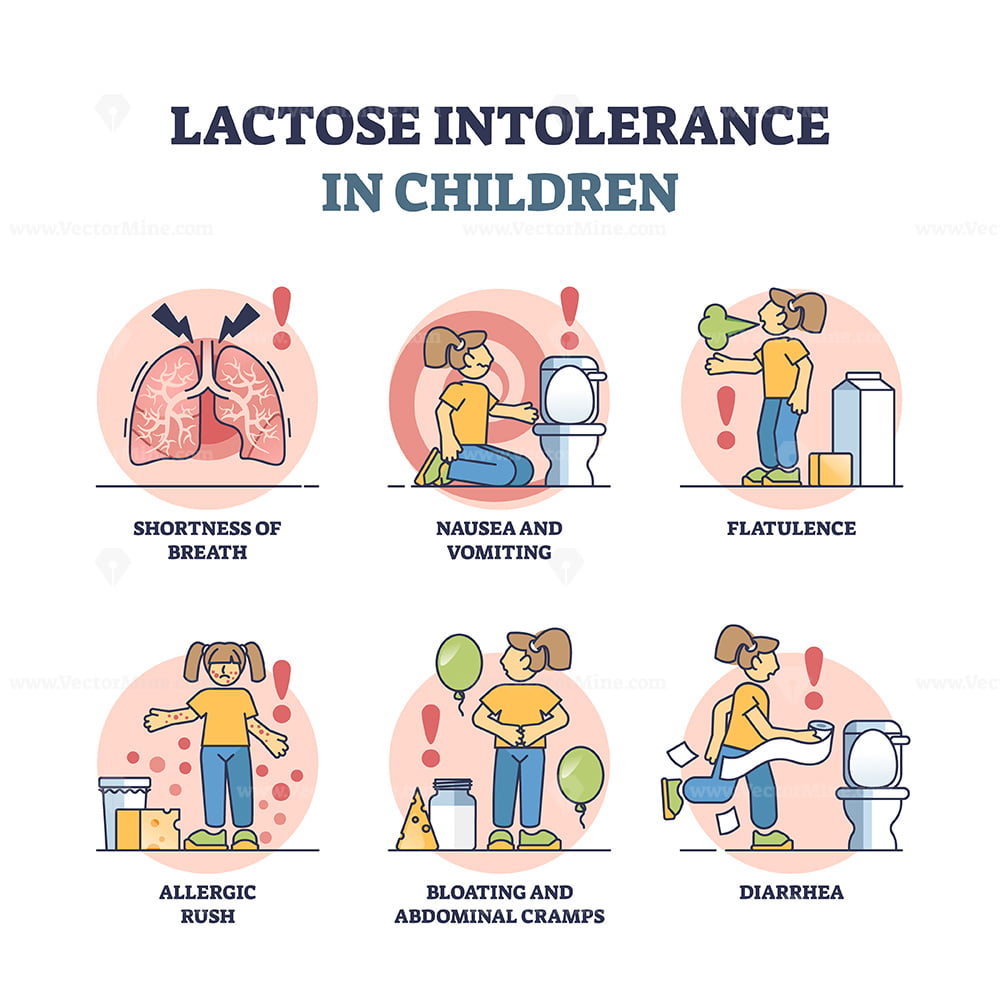
Lactose intolerance (difficulty digesting milk sugar)
Sensitivity to food additives or preservatives
Difficulty digesting certain carbohydrates or fats
Symptoms of Food Intolerance
Bloating and gas
Stomach pain or cramps
Loose motions or diarrhea
Nausea
Symptoms often depend on the quantity of food eaten and are usually not life-threatening.
Key Differences: Food Allergy vs Food Intolerance
| Feature | Food Allergy | Food Intolerance |
|---|---|---|
| Immune system involved | Yes | No |
| Onset of symptoms | Rapid (minutes to hours) | Gradual |
| Severity | Can be severe or life-threatening | Usually mild to moderate |
| Amount needed to trigger | Even a small amount | Usually larger quantity |
| Emergency risk | High | Low |
How Are These Conditions Diagnosed?
Food allergies are diagnosed using skin prick tests, blood tests, or supervised food challenges
Food intolerance is usually identified through dietary history, elimination diets, and symptom tracking
Never self-diagnose or eliminate major food groups without consulting a pediatrician.
When Should Parents See a Pediatrician?
Consult a pediatrician immediately if your child experiences:
Breathing difficulty after eating
Swelling of lips or face
Repeated vomiting
Severe skin reactions
Early diagnosis ensures proper management and avoids nutritional deficiencies.
Managing Food Allergies and Intolerance in Children
Read food labels carefully
Avoid trigger foods as advised
Educate caregivers and school staff
Maintain a balanced diet with safe alternatives
Keep emergency medication ready if prescribed
Proper guidance helps children grow safely without fear or unnecessary restrictions.
Final Words from Dr. Saurabh Tripathi
Food-related reactions in children can be confusing for parents. Knowing whether your child has a food allergy or food intolerance makes all the difference in treatment and safety.
If your child shows repeated symptoms after eating certain foods, do not ignore the signs. Timely consultation with a pediatrician can help your child enjoy food safely and grow healthily.