
Newborn Care Mistakes First-Time Parents Commonly Make

Newborn Care Mistakes First-Time Parents Commonly Make

Becoming a parent for the first time is a beautiful yet overwhelming journey. From feeding schedules to sleep patterns, every small decision feels critical. While love and care come naturally, lack of experience can sometimes lead to common newborn care mistakes. Understanding these mistakes early can help ensure your baby’s healthy growth and your peace of mind.

According to Dr. Saurabh Tripathi, many newborn health issues seen in clinics are preventable with the right guidance and awareness.

1. Overfeeding or Underfeeding the Baby

One of the most common mistakes first-time parents make is misinterpreting a baby’s cries. Not every cry means hunger.

  • Overfeeding can cause vomiting, gas, and discomfort

  • Underfeeding may lead to poor weight gain and dehydration

Tip: Feed on demand, observe hunger cues like lip-smacking or rooting, and track wet diapers instead of relying only on crying.

2. Ignoring Proper Burping Techniques

Many parents forget or rush through burping after feeds. This can lead to gas, colic, and excessive crying.

  • Always burp your baby after every feed

  • Hold the baby upright for a few minutes

Small steps like proper burping can significantly improve a newborn’s comfort.

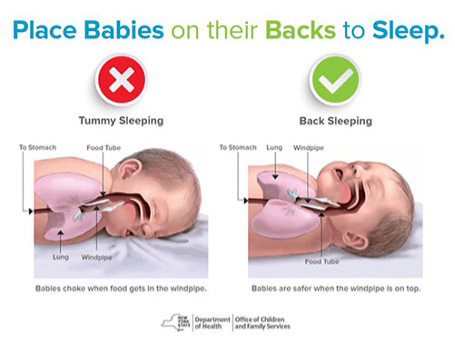
3. Unsafe Sleeping Practices
https://health.ucdavis.edu/media-resources/children/images/Content-List/place-baby-on-back.jpg
https://www.metropediatrics.com/wp-content/uploads/2023/10/baby-sleeping-on-back-in-crib.jpg
https://www.health4mom.org/wp-content/uploads/2024/09/Safesleep-scaled-2-scaled.jpg
4

Placing babies on their stomachs or using pillows and soft toys in the crib increases the risk of sleep-related issues.

Safe sleep guidelines include:

  • Always place the baby on their back

  • Use a firm mattress

  • Keep the crib free of pillows, blankets, and toys

Safe sleep habits are crucial for newborn safety.

4. Overdressing the Newborn

Parents often worry that their baby feels cold, leading to overdressing—especially in Indian weather conditions.

  • Overheating can cause rashes, dehydration, and restlessness

  • Babies usually need just one extra layer than adults

Check your baby’s neck or chest, not hands or feet, to judge body warmth.

5. Improper Umbilical Cord Care

Incorrect cord care can increase the risk of infection.

  • Do not apply home remedies, powders, or oils

  • Keep the area clean and dry

  • Let the cord fall off naturally

If there is redness, foul smell, or discharge, consult a pediatrician immediately.

6. Delaying Vaccinations

Some parents delay vaccines due to fear or misinformation.

  • Vaccinations protect babies from life-threatening diseases

  • Delays can increase vulnerability to infections

Always follow the immunization schedule advised by your pediatrician.

7. Excessive Bathing

Daily bathing is not necessary for newborns.

  • Frequent baths can dry the baby’s sensitive skin

  • 2–3 baths per week are sufficient initially

Focus on cleaning the face, neck folds, diaper area, and hands daily.

8. Ignoring Parental Instincts & Delaying Doctor Visits

First-time parents sometimes rely too much on online advice or relatives and ignore warning signs.

Consult a pediatrician if your baby has:

  • Poor feeding

  • Fever or low body temperature

  • Lethargy or excessive crying

Early medical advice can prevent complications.

Final Thoughts from Dr. Saurabh Tripathi

Caring for a newborn is a learning process, and making mistakes does not mean you are failing as a parent. With the right information and timely guidance, most newborn care challenges can be managed easily.

If you’re unsure about any aspect of your baby’s health, always consult a qualified pediatrician. Expert guidance can make your parenting journey smoother, safer, and more confident.

Remember: A calm, informed parent raises a healthier, happier baby. 💙

Leave a Comment

Your email address will not be published. Required fields are marked *