
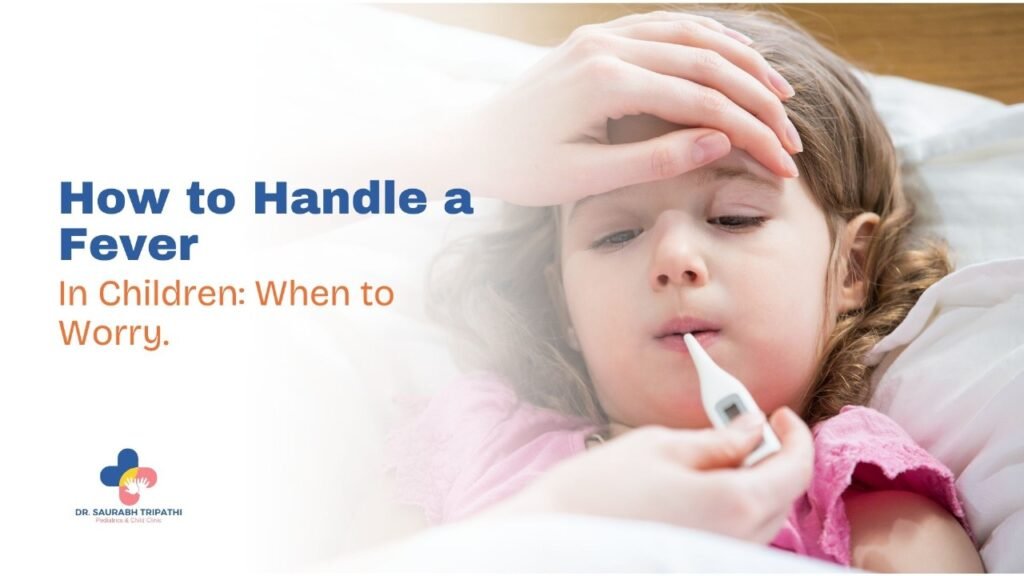
Fever in children can be scary—especially when your little one feels hot, flushed, and miserable. But before you panic, take a deep breath. In many cases, fever is a normal part of the body’s response to infection. Still, knowing when to monitor it at home and when to call the doctor is crucial.
Here’s what you need to know about handling a fever in children—and when it’s time to worry.
What Is a Fever?
A fever is a temporary rise in body temperature, often due to an infection. For children, a rectal temperature of 100.4°F (38°C) or higher is considered a fever.
Fevers are actually a good sign that the immune system is working. But depending on your child’s age, symptoms, and how high the fever gets, it could signal something more serious.
How to Comfort a Child With a Fever
Most fevers don’t need medical treatment—they just need supportive care. Here’s how to help your child feel better:
Keep them hydrated: Fevers can cause fluid loss. Offer water, breast milk, or electrolyte solutions frequently.
Dress them lightly: Too many layers can trap heat. Stick with lightweight clothes and breathable blankets.
Rest is best: Let your child rest or nap as needed—this helps the body fight off infection.
Use medication carefully: If your child seems uncomfortable, you can use acetaminophen (Tylenol) or ibuprofen (Advil) if they’re over 6 months. Always follow the dosing instructions based on age and weight.
Avoid aspirin in children—it’s linked to a rare but serious condition called Reye’s syndrome.
When to Worry: Red Flags to Watch For
Most fevers aren’t dangerous. But there are times when a fever means it’s time to get medical help. Here’s when to call your doctor:
📌 For Babies Under 3 Months
A fever of 100.4°F (38°C) or higher is an emergency. Call your doctor or go to the ER.
📌 For Babies 3–6 Months
A fever over 101°F (38.3°C) or any fever with unusual fussiness, feeding problems, or lethargy.
📌 For Children Over 6 Months
Fever over 104°F (40°C)
Fever lasting more than 3 days
Difficulty breathing, stiff neck, or severe headache
Rash that doesn’t fade when you press on it
Seizure (febrile seizures can happen with rapid temperature rise—scary but usually not harmful)
Child is unusually sleepy, hard to wake, or very irritable
Trust Your Gut
You know your child better than anyone. If something feels “off,” or your child just doesn’t seem like themselves, don’t hesitate to check in with your pediatrician—even if the symptoms aren’t on the “worry list.”
The Bottom Line
Fevers are a common part of childhood, and in most cases, they’re not dangerous. What matters most is how your child is acting. A child with a 102°F fever who’s playful and drinking fluids is probably fine to stay home. But a quiet, glassy-eyed toddler with a 100.5°F fever may need medical attention.
When in doubt, don’t go it alone—your pediatrician is there to help.